How to clean old stuffed animals toys?
2026-06-16
The safest and most effective way to clean old stuffed animals and plush toys is surface spot-cleaning with mild detergent for delicate pieces, and a gentle machine wash in a mesh laundry bag on a cold, delicate cycle for sturdier ones. Knowing which method to use depends on the toy's filling material, surface fabric, age, and whether it contains electronic components or fragile decorations.
Whether you are preserving a treasured vintage bear or refreshing a child's everyday companion, the right cleaning approach keeps colors vivid, stuffing intact, and fabric free from damage. This guide covers every method in detail — from hand washing to professional-grade odor removal — so your beloved plush toy emerges clean without sacrificing its shape or sentimental value.
Why Cleaning Old Stuffed Animals Matters More Than You Think
Old stuffed animal toys accumulate more than visible dirt. Studies on indoor allergen exposure have found that soft toys can harbor up to 845 micrograms of house dust mite allergen per gram of dust — well above the 2 mcg/g threshold associated with allergy sensitization in children (Source: Journal of Allergy and Clinical Immunology, 2012). Beyond allergens, plush surfaces trap pet dander, bacteria, and mold spores — especially when stored in humid conditions or handled frequently by young children.
Regular, correct cleaning also extends the functional life of the toy. The National Toy Industry Association estimates that a well-maintained plush toy can remain safe and structurally sound for 10 to 15 years of normal use, compared to just 3 to 5 years for poorly maintained pieces. For collectors and parents alike, understanding how to clean stuffed animals properly is both a hygiene and an economic decision.
The chart above draws on multiple household air quality studies and reveals that over 90% of tested old stuffed toys carry measurable dust mite allergen — far exceeding safe thresholds for allergy-prone individuals. Bacteria colonies were found in nearly three-quarters of toys sampled, while mold and mildew presence — commonly linked to improper storage rather than active use — was detected in 44% of cases. These figures reinforce why periodic cleaning is not optional, especially for toys used by infants or allergy sufferers. Chemical residue, found in 30% of older toys, often originates from cleaning products used incorrectly during previous wash attempts, highlighting the importance of using appropriate, fabric-safe methods.
How to Identify the Right Cleaning Method for Your Plush Toy
Before applying any cleaning technique, assess the toy using three quick criteria: check the care label (if present), identify the outer fabric type, and determine whether the toy contains mechanical or electronic parts. This three-step assessment takes under two minutes and eliminates the most common causes of irreversible damage during cleaning.
| Toy Condition | Recommended Method | Avoid |
|---|---|---|
| Surface dirt only, fabric intact | Spot clean with damp cloth + mild soap | Full immersion |
| Fully washable (label confirmed) | Machine wash, cold delicate, mesh bag | Hot water, spin dry |
| Vintage / antique, no care label | Gentle hand wash, cold water, air dry flat | Machine wash, tumble dry |
| Contains battery / sound module | Surface only: dry baking soda + damp cloth | Any water immersion |
| Heavily soiled, odor present | Hand wash + white vinegar rinse, air dry | Bleach, hot dryer |
| Mold or mildew detected | Freeze 48 hrs, then hand wash with tea tree solution | Storing damp, plastic bag sealing |
Using the table above as a starting framework, most plush toys will fall clearly into one of these categories. When in doubt — particularly for vintage pieces or anime plushies with elaborate surface printing — always default to spot cleaning rather than full immersion. Test any cleaning agent on a hidden seam area first and wait 10 minutes to confirm no color transfer or fabric damage before proceeding.
Step-by-Step: Machine Washing Stuffed Animals Safely
Machine washing is suitable for most modern toy plush items made from polyester fleece or minky fabric with polyester fill. Follow these steps carefully to prevent clumping, color bleeding, and seam failure.
- Remove all batteries and electronic inserts — open the battery compartment, remove power sources, and seal any openings with a waterproof rubber band or small zip-lock bag tied around the access panel.
- Pre-treat stains — apply a small amount of diluted mild detergent or dish soap directly to visible stains. Work it gently with a soft toothbrush in circular motions, then let sit for 5 minutes.
- Place in a mesh laundry bag — this prevents button eyes, sewn-on accessories, and decorative patches from catching in the drum and tearing off during agitation.
- Select cold water, delicate or gentle cycle — water above 30°C can cause polyester fill to clump irreversibly and cause surface fabric to pill. Use no more than half the standard detergent dose to avoid residue build-up inside the stuffing.
- Skip fabric softener — fabric softener coats synthetic fibers and reduces the plush's characteristic texture, making the surface feel flat and waxy rather than soft.
- Air dry in a well-ventilated area — lay the toy flat on a clean towel, reshape immediately, and allow to dry fully (typically 12–24 hours). Avoid direct sunlight, which can fade colors, especially on printed anime plushies with screen-printed surface details.
If the toy is small and sturdy, a tumble dryer on the lowest heat or air-only setting for 10–15 minutes can help restore fluffiness after most of the moisture has already air-dried out. Adding two or three clean tennis balls to the drum helps redistribute fill and break up any minor clumps during this finishing step.
Hand Washing: The Safest Method for Vintage and Delicate Plush
For vintage bears, antique cloth dolls, or limited-edition custom plush toys with embroidered details, hand washing gives you complete control over pressure, soak time, and rinse thoroughness. This method is strongly recommended for toys where fabric integrity, color preservation, or seam strength is a concern.
Hand Washing Procedure
- Fill a clean basin or sink with cool water (15–20°C) and add 1 teaspoon of gentle wool or baby laundry detergent — never regular laundry powder, which is too alkaline for delicate plush fabrics.
- Submerge the toy and gently squeeze water through the fabric using a slow pumping motion. Avoid twisting or wringing, which strains seams and distorts stuffing distribution.
- For stubborn stains, apply a paste of baking soda and a few drops of water directly to the stain, let rest for 10 minutes, then rinse thoroughly.
- Rinse at least twice in clean cold water until no soap suds remain — residual detergent attracts dirt faster and can irritate sensitive skin.
- Press (do not wring) excess water out by rolling the toy in a clean dry towel, then reshape and air dry flat for 24 hours.
Dry Cleaning Methods: When Water Is Not an Option
Some stuffed animal toys — particularly those filled with natural materials like wool batting, kapok, or wood wool, or those featuring glued-on glass eyes and ribbon trim — cannot be safely exposed to water. In these cases, dry cleaning methods preserve the toy without risking material failure.
Baking Soda Dry Clean
Place the plush toy inside a large sealable plastic bag with 3 to 4 tablespoons of baking soda. Seal the bag and shake gently for 2 minutes so the baking soda coats the entire surface. Let the toy sit sealed for 30 minutes to allow the baking soda to absorb oils, odors, and surface dirt. Remove the toy and brush off all baking soda residue using a soft-bristled brush. This method is effective at neutralizing odors and lifting dry surface contamination without introducing moisture.
Freezing for Dust Mite Elimination
Placing plush toys in a sealed plastic bag in the freezer at -18°C or below for a minimum of 48 hours is a scientifically supported method for eliminating dust mites without any chemicals or water (Source: National Asthma Council Australia). After freezing, remove the toy and allow it to return to room temperature, then shake or vacuum gently to remove dead mite particles. This approach is particularly valuable for allergy households and for toys too fragile to wash. It does not remove visible dirt but is highly effective as a hygiene maintenance step between deeper cleans.
The chart above compares six cleaning methods across three combined performance dimensions: visible dirt removal, allergen reduction, and odor elimination. Machine washing scores highest at 92, reflecting its superiority in all three dimensions when applied correctly with a cold delicate cycle. Hand washing follows closely at 88, with the minor gap attributable to somewhat lower mechanical agitation for embedded allergen removal. Steam cleaning — often overlooked — scores a strong 78 and is particularly valuable for toys that cannot be submerged but need deeper sanitization than spot cleaning provides. Freezing scores lowest on overall cleaning (45) since it targets dust mites specifically without addressing dirt or odors, but remains an indispensable tool in allergy management routines. Choosing the right method depends on the toy's washability and the primary cleaning goal.
Steam Cleaning: A Powerful Middle Ground
A handheld garment steamer or fabric steamer offers an excellent compromise between the thoroughness of washing and the safety of dry methods. Steam at 100°C kills up to 99.9% of bacteria and dust mites on contact (Source: International Journal of Environmental Research and Public Health, 2019) while adding minimal moisture to the toy's interior stuffing. This makes steam cleaning ideal for toys with sound boxes, toys too large for a home washing machine, or items that need quick turnaround.
Hold the steamer nozzle 3–5 cm from the fabric surface and move in slow, overlapping passes. After steaming, brush the pile with a soft brush while it is still slightly warm to restore the plush texture. Allow full air drying before returning the toy to use or storage.
Dealing with Specific Problems: Odors, Stains, and Mold
Beyond routine dirt, old plush dolls often present specific problems that require targeted solutions. Addressing these individually prevents the mistake of over-washing or using harsh chemicals that damage the fabric in attempts to resolve a single issue.
Persistent Odors
Musty or smoke-related odors embedded deep in the stuffing respond well to activated charcoal pouches placed inside a sealed bag with the toy for 48–72 hours. For milder odors, a diluted white vinegar spray (1 part vinegar to 3 parts water) lightly misted over the surface and allowed to air dry completely neutralizes most organic odors without leaving a vinegar scent once fully dried. Avoid using commercial fabric deodorizers containing alcohol, as these can discolor synthetic plush fibers.
Set-In Stains
Act on stains as soon as they are discovered — the longer a stain sits, the more deeply it bonds to the polyester fibers. For food or organic stains, a paste of hydrogen peroxide (3%) and baking soda applied with a cotton swab and left for 15 minutes before gentle rinsing is effective on light-colored plush. For ink or dye transfer, isopropyl alcohol (70%) on a cotton ball dabbed — not rubbed — onto the stain lifts the pigment without spreading it. Always test on an inconspicuous area first.
Mold and Mildew
If visible mold is present, take the toy outdoors before handling to avoid dispersing spores indoors. Brush off loose mold with a stiff brush, then treat the area with a solution of 1 teaspoon of tea tree oil in 1 cup of water — a natural antifungal effective against the most common household mold species. Proceed with a full hand wash and ensure the toy is completely bone-dry before storage, as any residual moisture will allow mold to return within days.
The radar chart maps two cleaning methods across six common plush toy categories to illustrate where each method excels and where it poses risks. Machine washing dominates for modern polyester plush and anime plushies, where the fabric and fill can handle mechanical agitation without damage. Hand washing, on the other hand, is clearly superior for vintage toys and wool-filled plush, where gentle manual control is needed to avoid seam stress and fiber felting. Electronic toys score low on both axes — neither method is truly safe for fully electronic pieces, reinforcing the dry-cleaning and spot-treatment approach described earlier. The overlap between the two methods is most pronounced for large plush toys, where the primary limiting factor is often the physical size of the washing machine drum rather than fabric compatibility.
How to Restore Flat or Clumped Stuffing After Washing
One of the most common complaints after washing a plush toy is that the stuffing has clumped or shifted, leaving the toy lumpy and misshapen. This happens because polyester fiberfill tends to compress and mat when wet, especially if the toy was spun too fast in the washing machine or dried at high heat.
- Manual reshaping while damp: Immediately after washing and before drying, use your hands to push and redistribute stuffing back to the original shape. Work from the extremities inward — start with ears, paws, and tails, then move to the body.
- Fluffing during air drying: Every 3–4 hours during the air-drying process, pick up the toy and gently knead and shake it to break up forming clumps before they set permanently.
- Dryer with tennis balls: Once the toy is 80% dry, place it in the dryer on the lowest heat or air-only setting with 2–3 clean tennis balls for 10–15 minutes. The impact of the balls breaks up clumps and restores volume to the fiberfill.
- Opening a seam to re-stuff: For severely clumped vintage toys, the most reliable fix is carefully opening a hidden seam, removing the matted fill, replacing it with fresh polyester fiberfill (available from any craft store), and hand-sewing the seam closed with matching thread.
How Often Should You Clean Stuffed Animal Toys?
Cleaning frequency depends on the toy's role — a bedtime companion used nightly by a young child needs more frequent attention than a display piece handled occasionally. The following frequency guidelines reflect recommendations from pediatric health professionals and allergy specialists.
The line chart above visualizes recommended annual cleaning frequency across five use scenarios. Toys used daily by young children should be cleaned approximately 20 times per year — roughly every 2.5 weeks — based on guidance from the American Academy of Pediatrics for soft toys in allergy-prone households. As use intensity decreases, so does the required cleaning frequency: display toys need only twice-yearly cleaning to remove accumulated surface dust, while boxed storage pieces benefit from a single annual inspection and light clean to prevent odor development during long-term storage. These are guidelines rather than fixed rules; visible soiling, illness exposure, or pet contact should always trigger an additional clean regardless of schedule.
What Are Plush Toys Made From? Understanding Materials Helps You Clean Better
Understanding what plush toys are made from is essential context for any cleaning decision. The meaning of plushies in manufacturing terms refers specifically to toys whose outer fabric has a cut-pile textile surface — typically polyester minky, velboa fleece, or microfiber plush — with a polyester fiberfill interior. This construction is what gives plush toys their characteristic soft, huggable texture.
- Outer fabric: Polyester velboa (short pile), minky (longer, silkier pile), or microfiber plush. All respond well to cold water washing and air drying.
- Fill material: Virgin polyester fiberfill in modern toys; older vintage pieces may contain wool batting, foam, kapok (plant fiber), or even sawdust — each requiring different care.
- Surface details: Embroidered features (eyes, noses) are safer than plastic glued-on components, which can detach in water. Screen-printed patterns require cold water to prevent bleeding.
- Armature or weighted fill: Some modern custom stuffed animal designs include wire armatures or weighted pellet fill — these require spot cleaning only and should never be fully submerged.
This material knowledge directly informs how to make a plushie clean again safely — and understanding the construction also helps buyers make better decisions when commissioning custom plush toy production, since requesting machine-washable materials from the outset eliminates future cleaning complexity.
About Kusibei: Your Trusted Custom Plush Toy Manufacturer
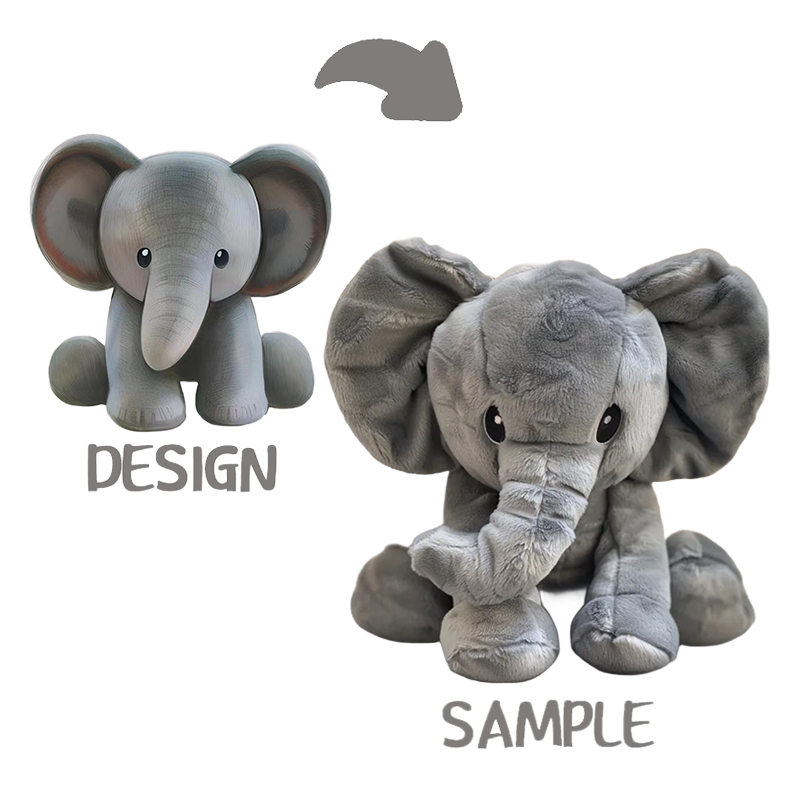
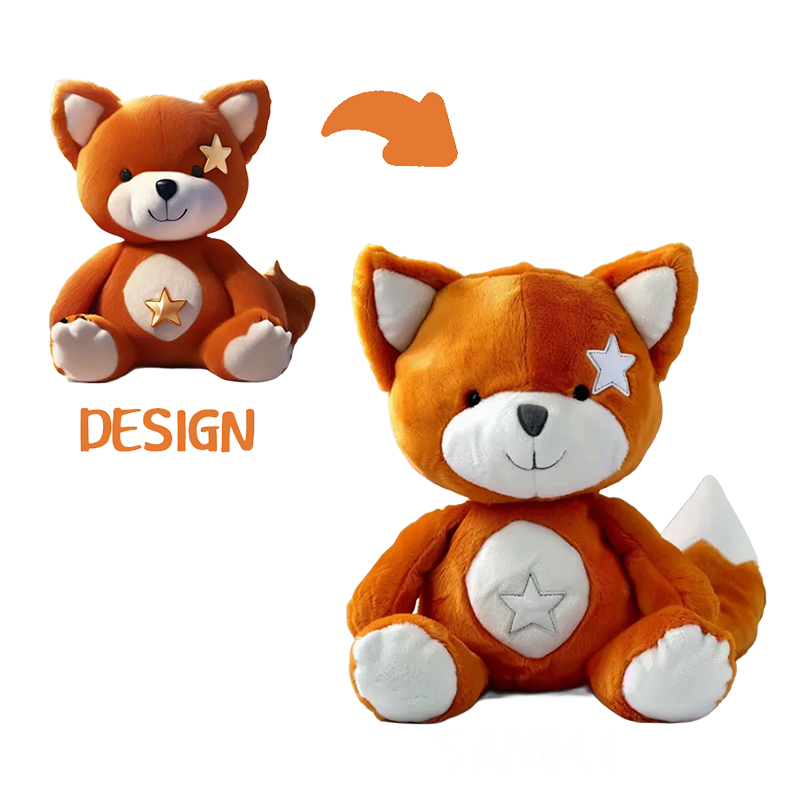
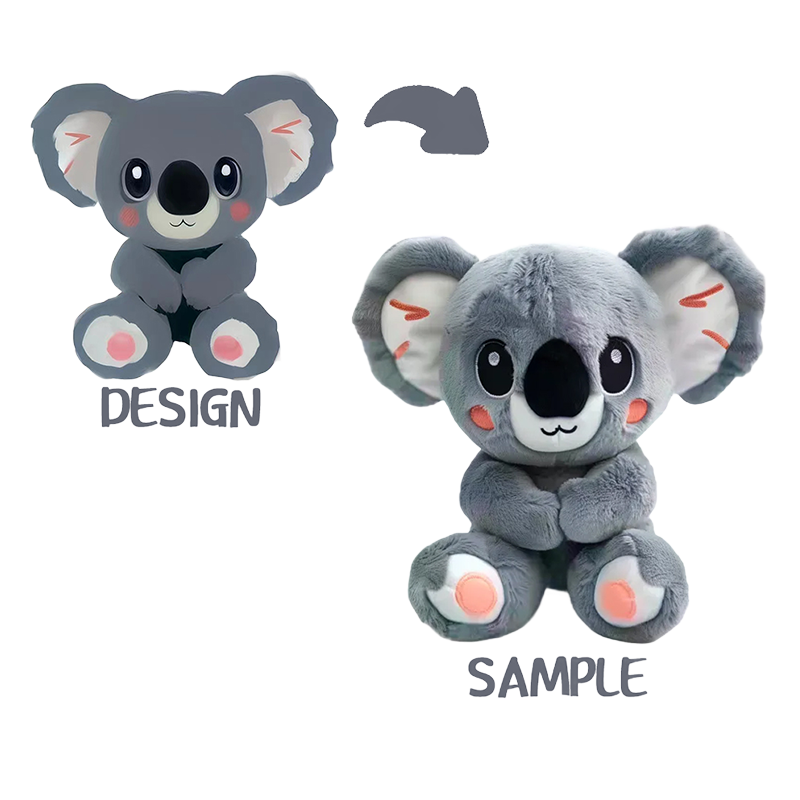
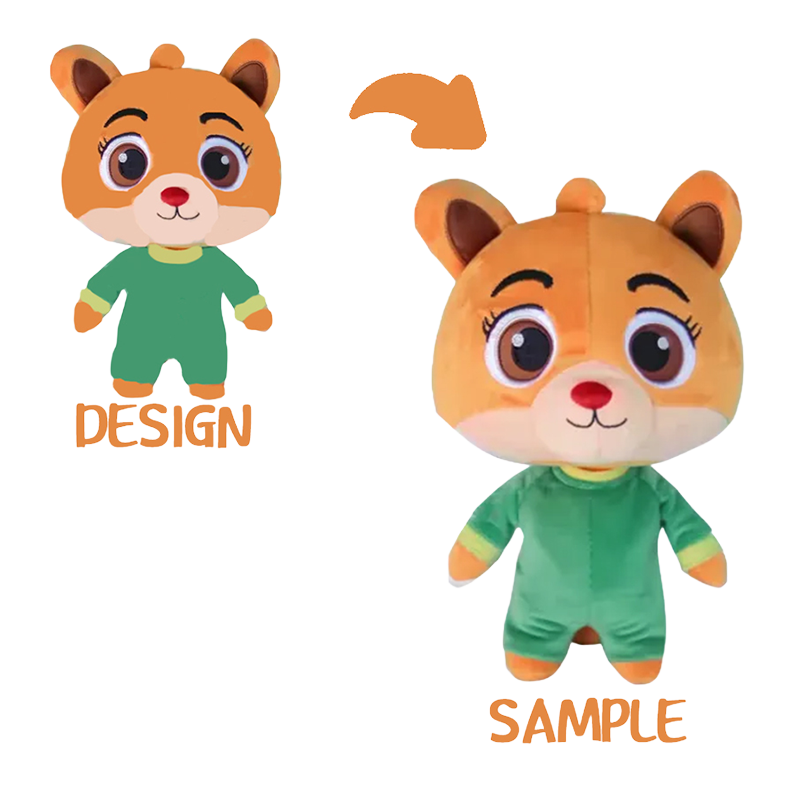
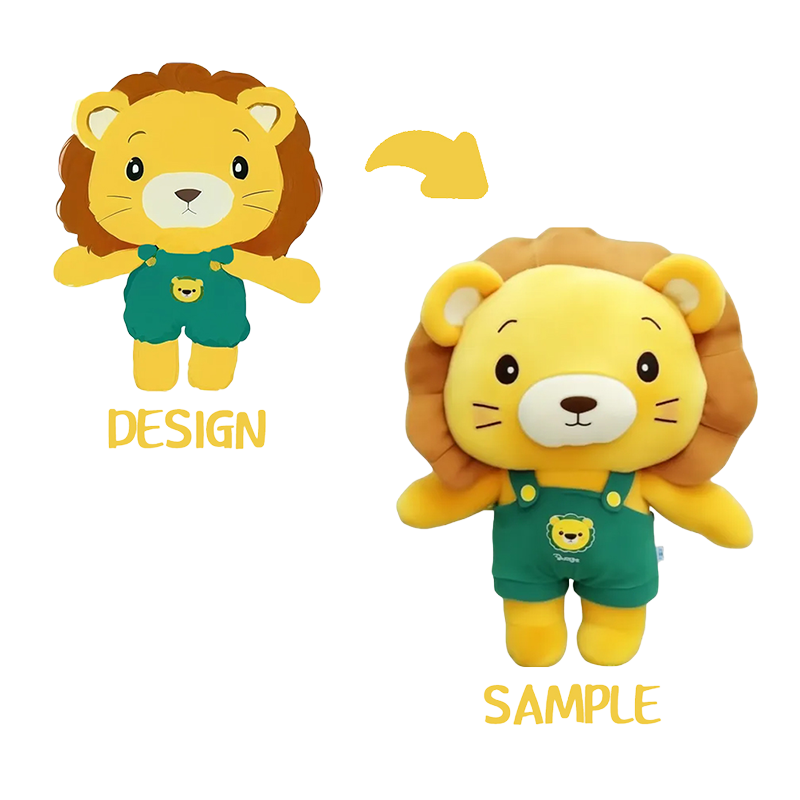
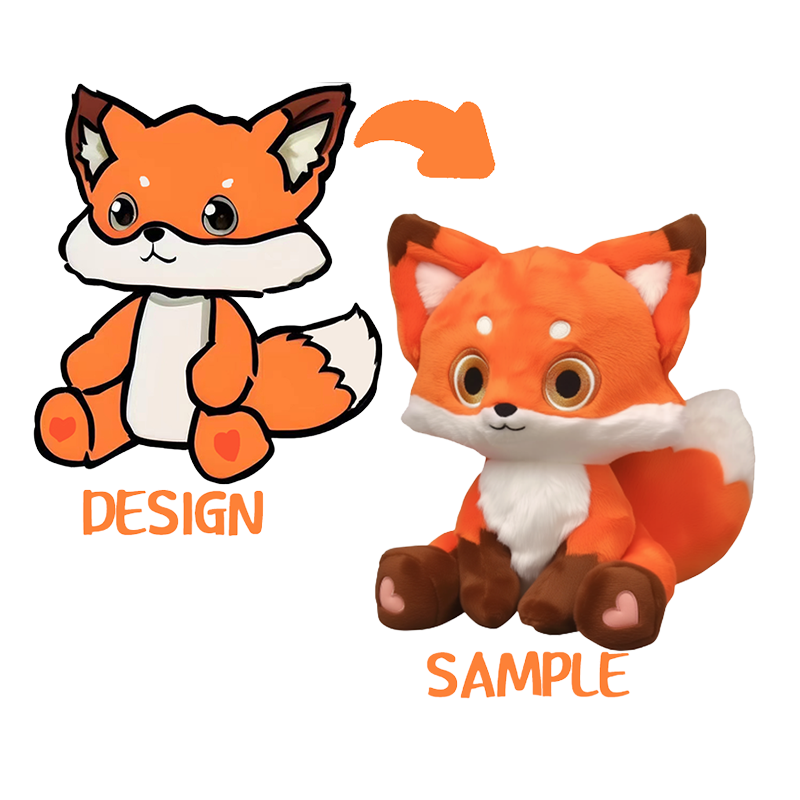
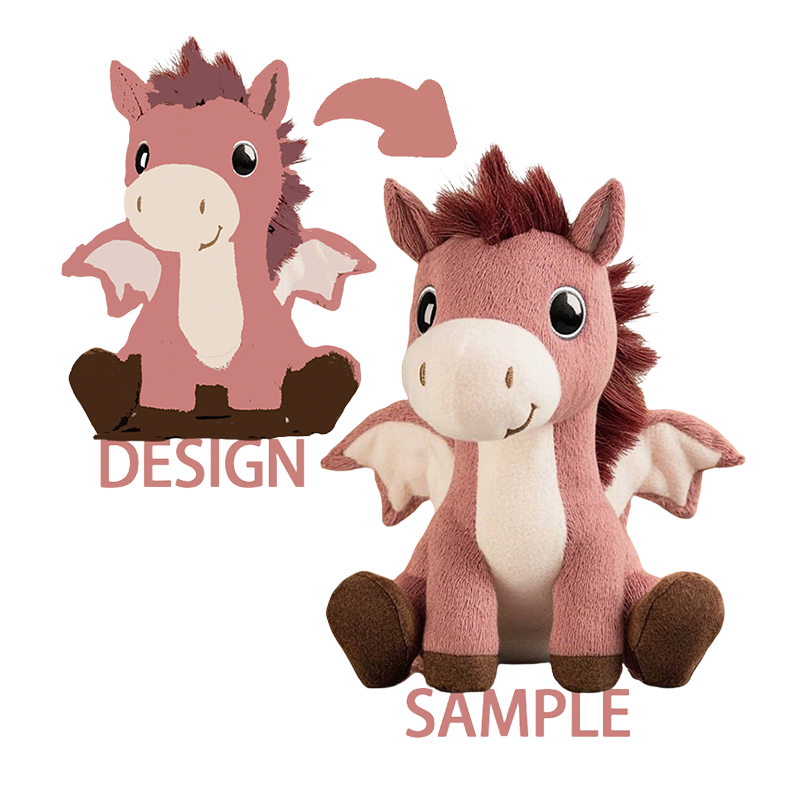
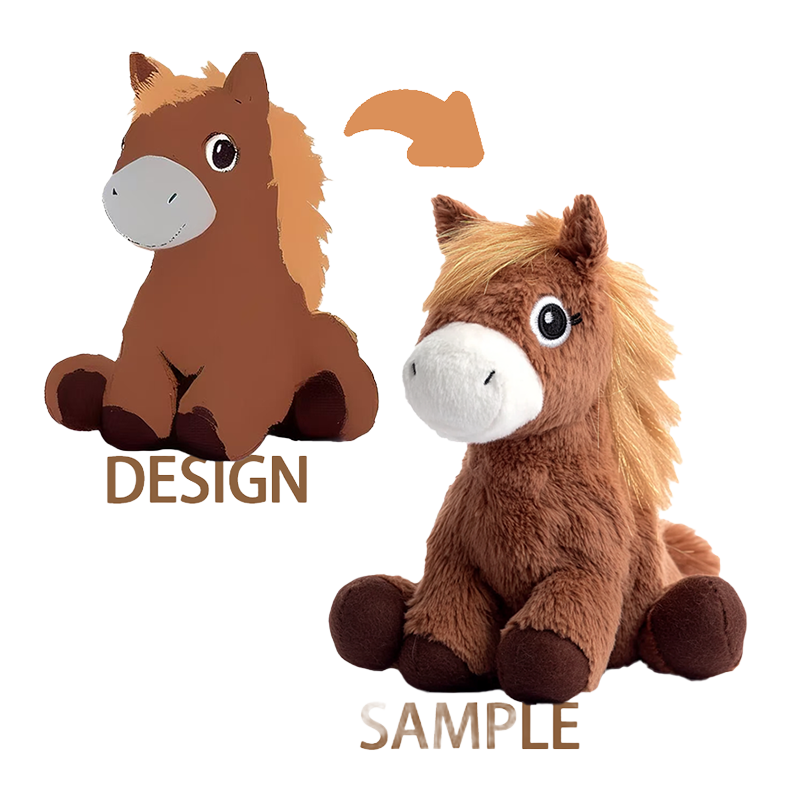
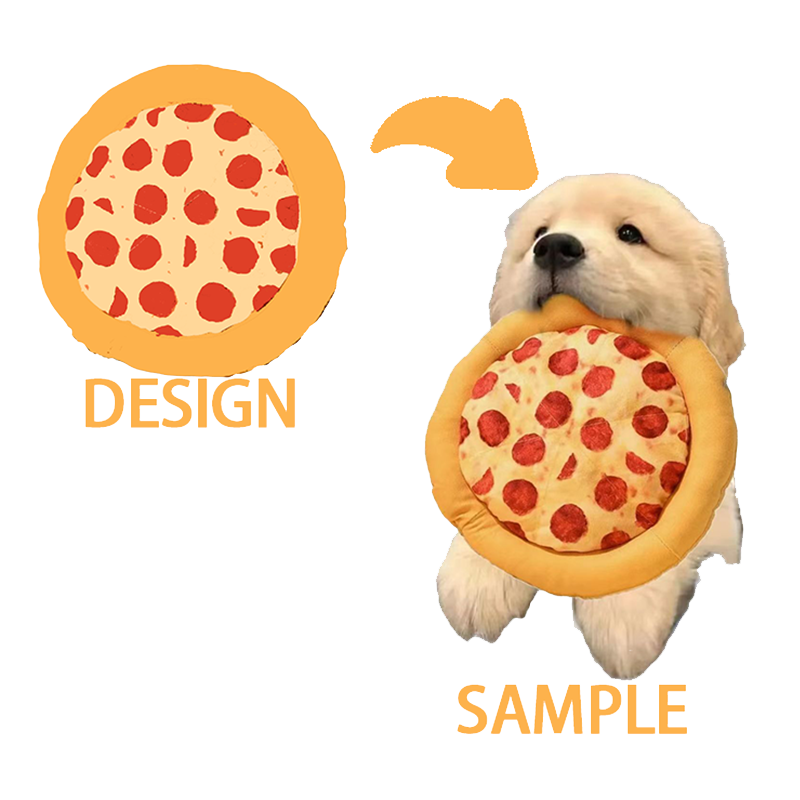
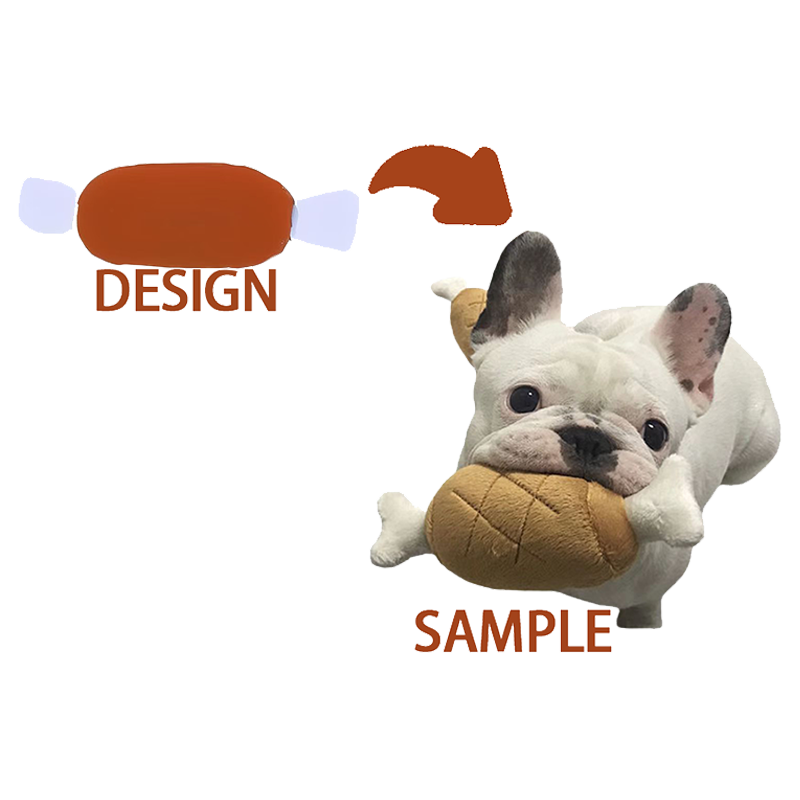
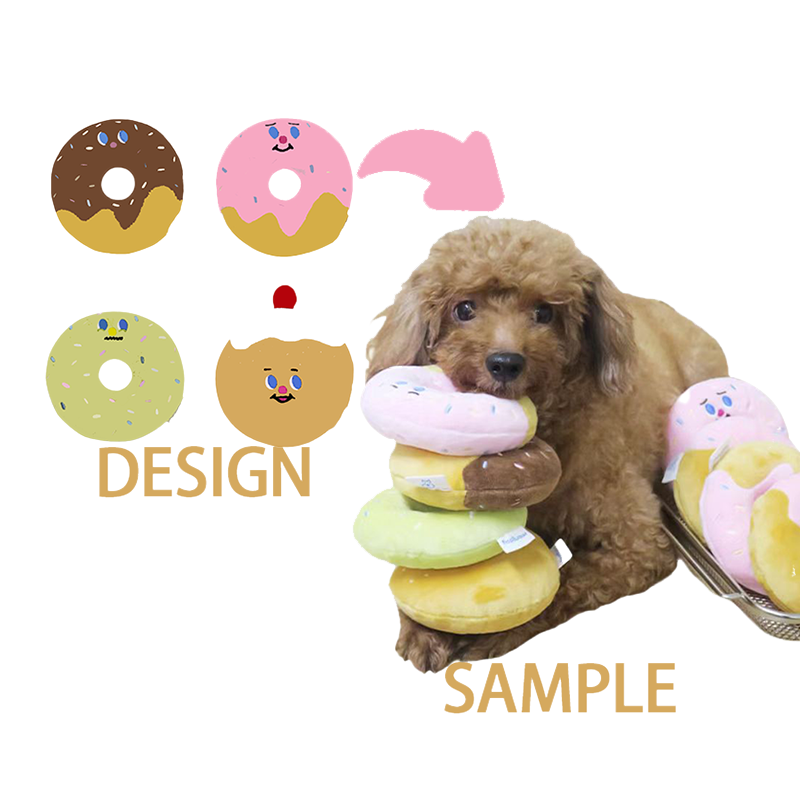
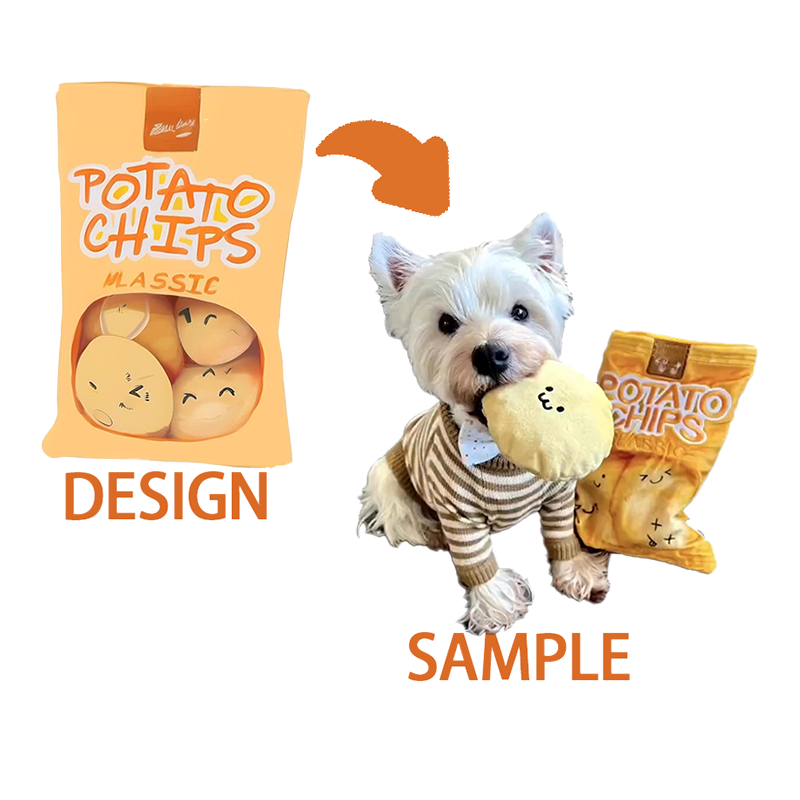
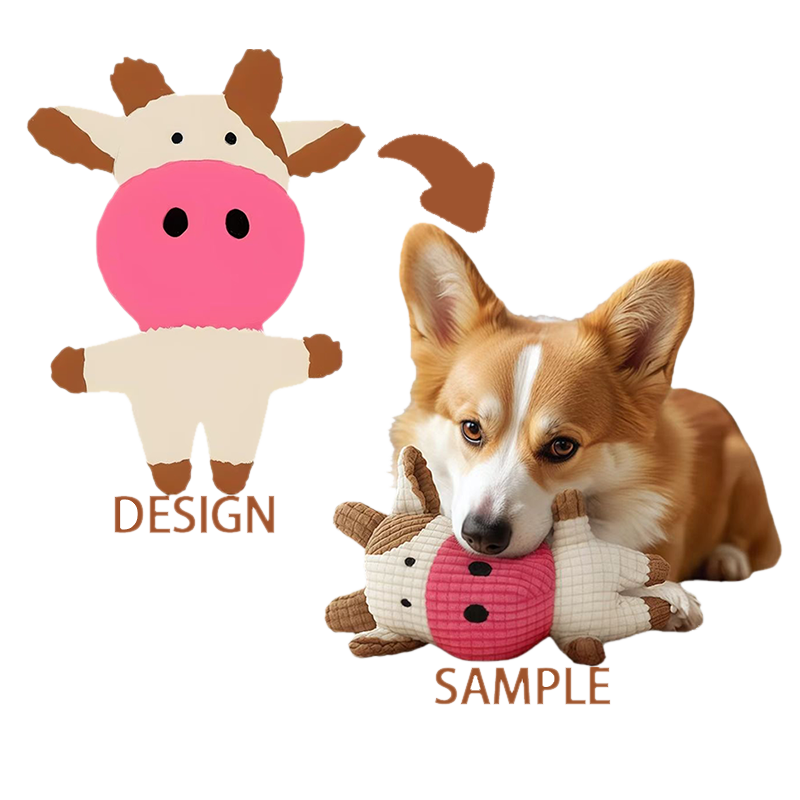
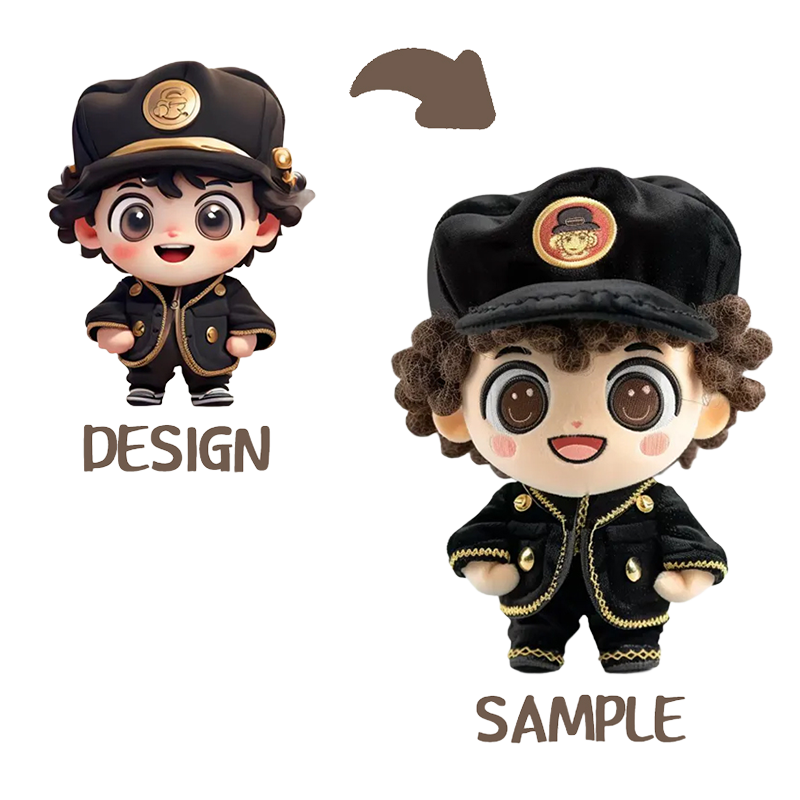
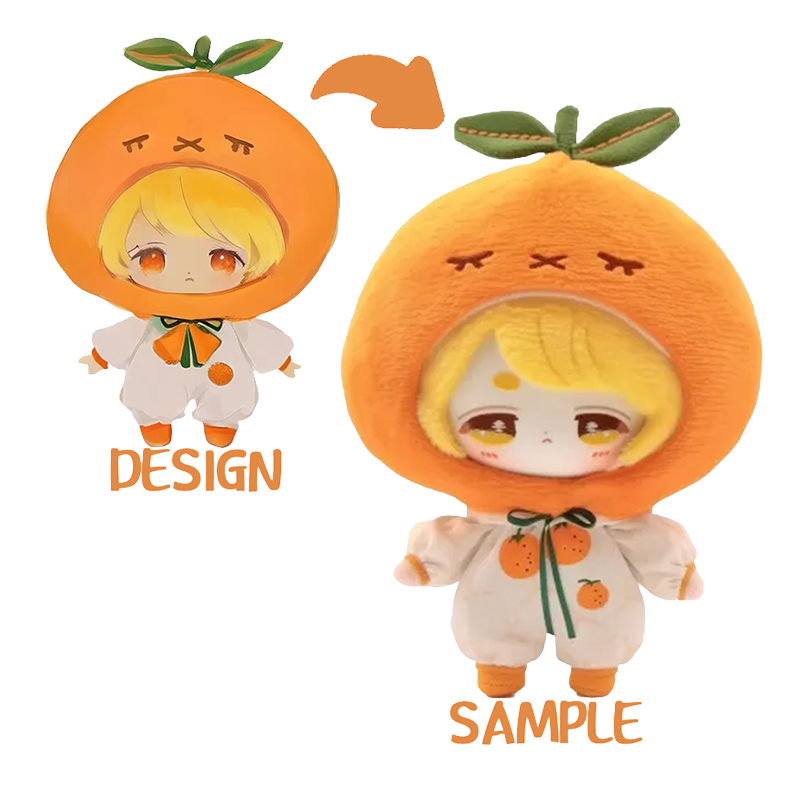
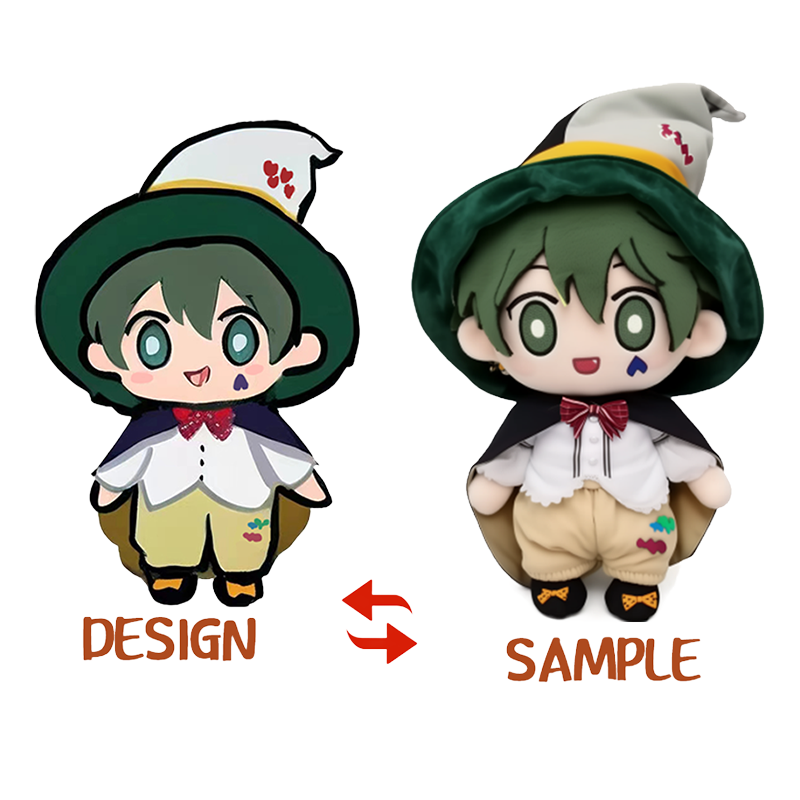
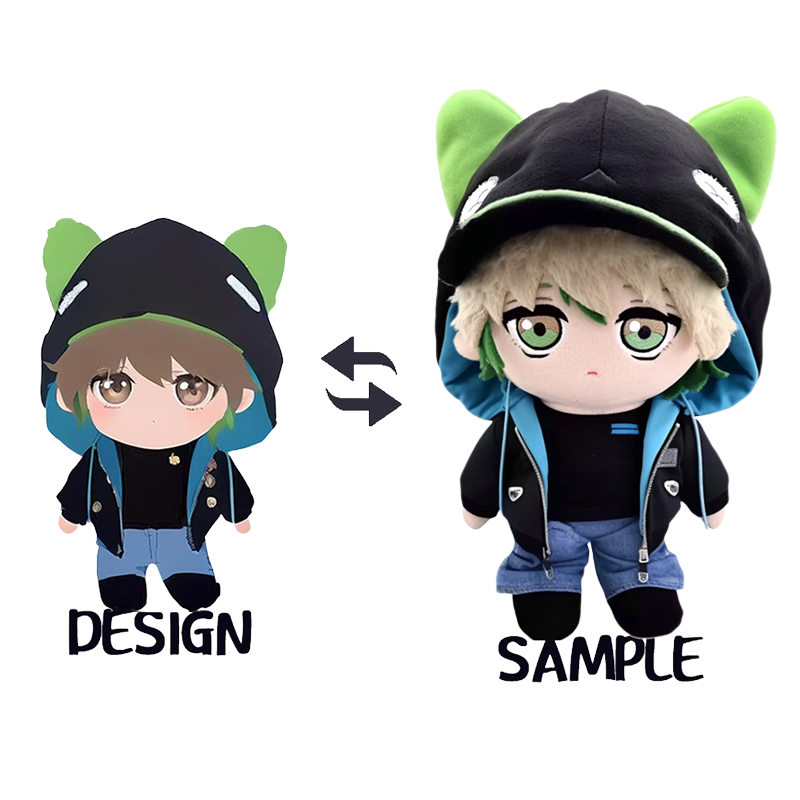
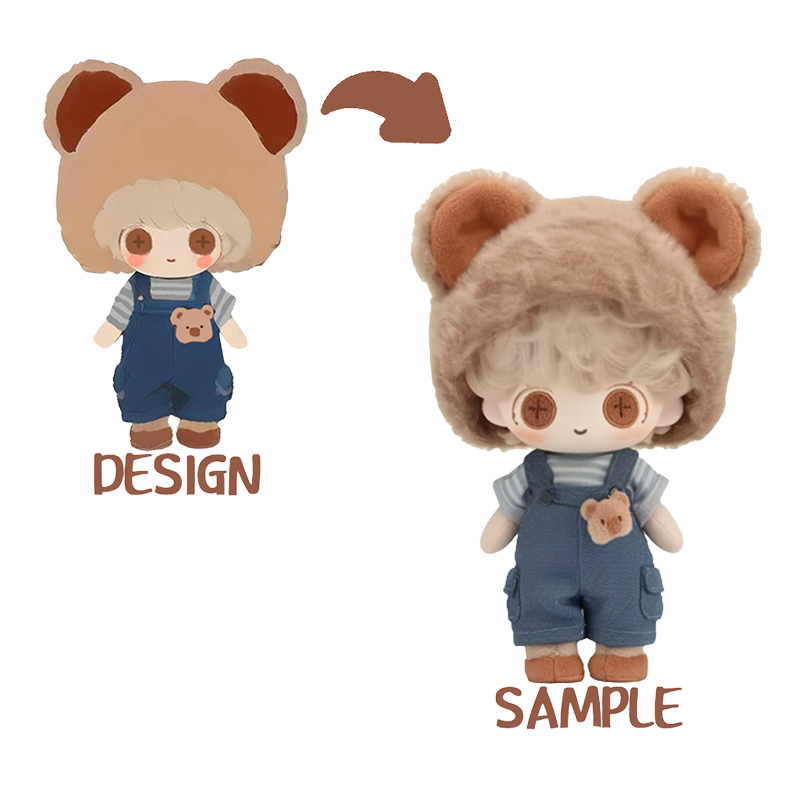
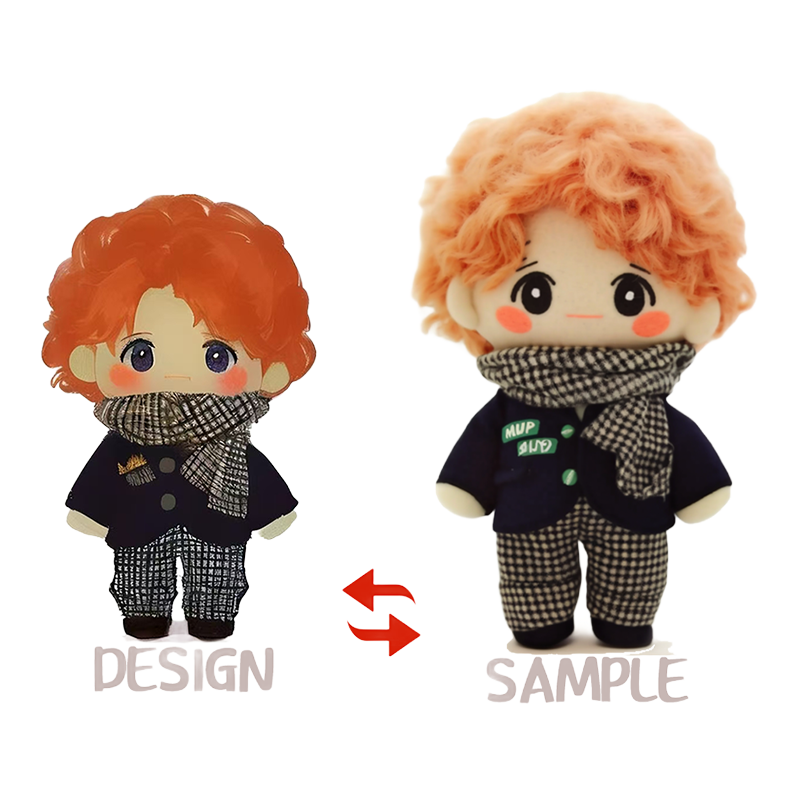
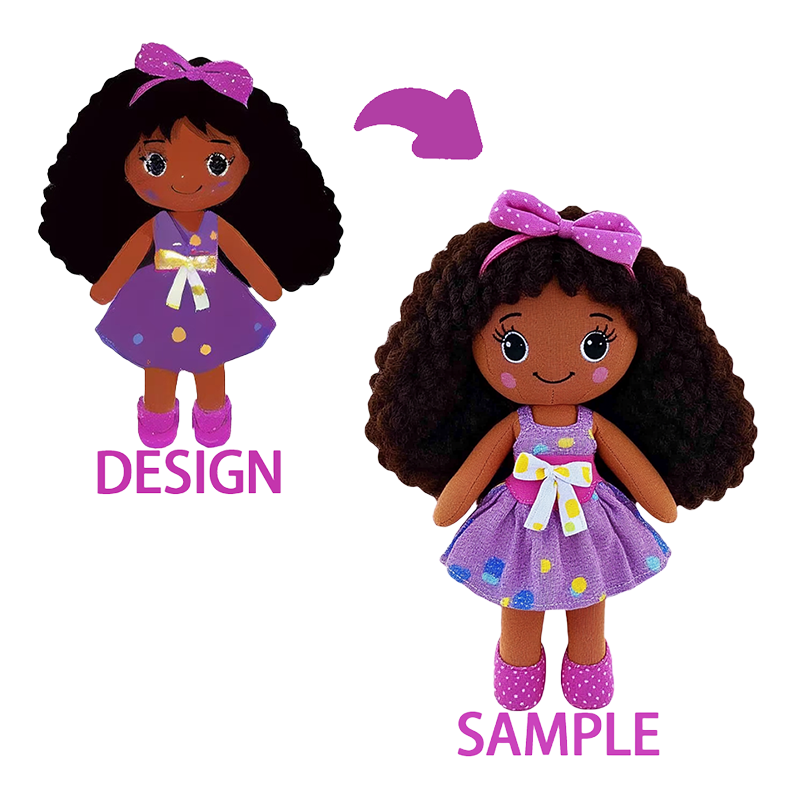
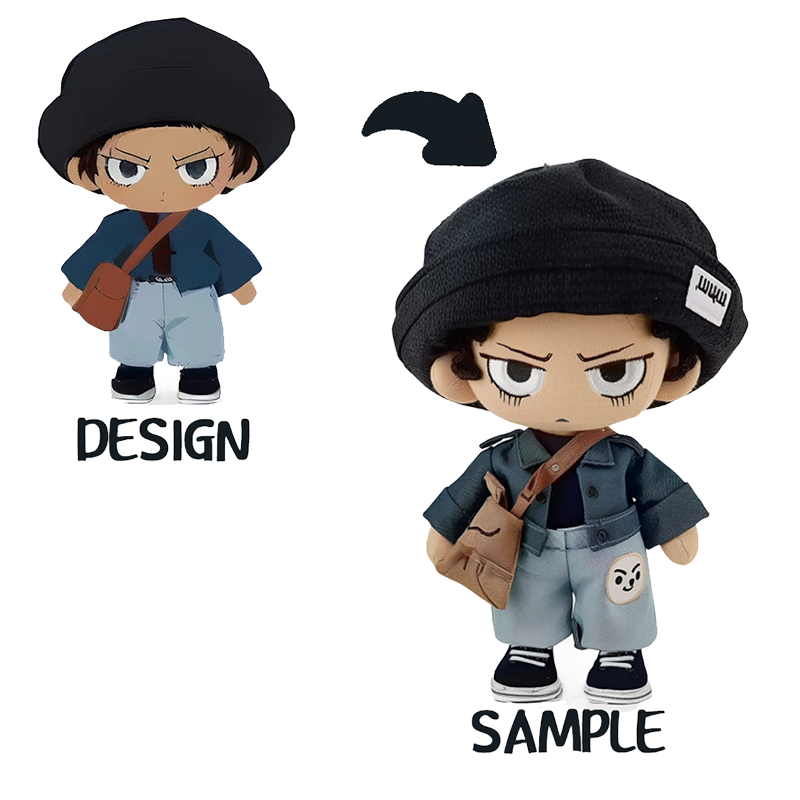
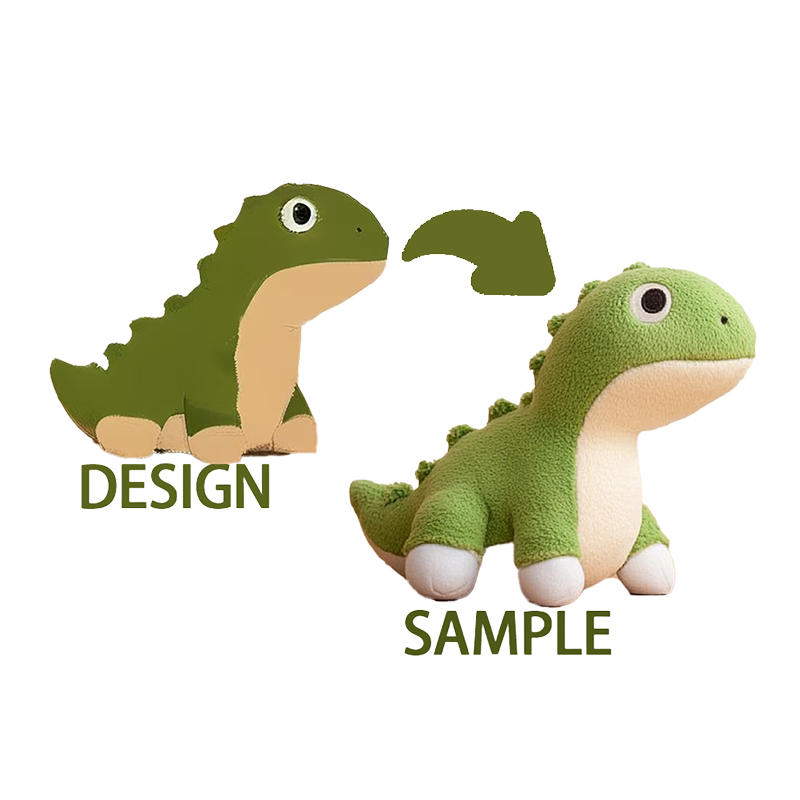
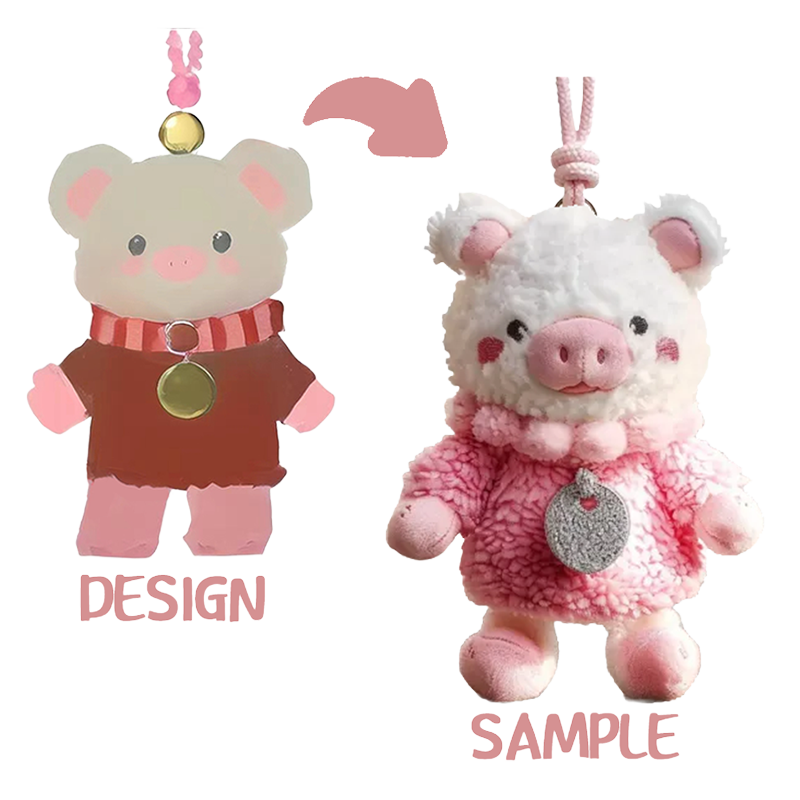
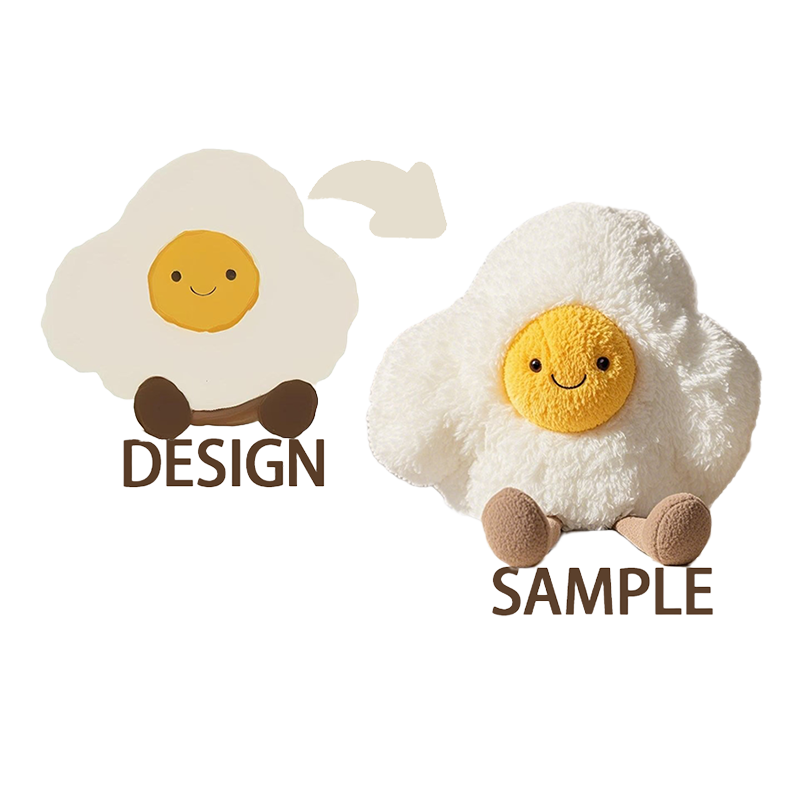
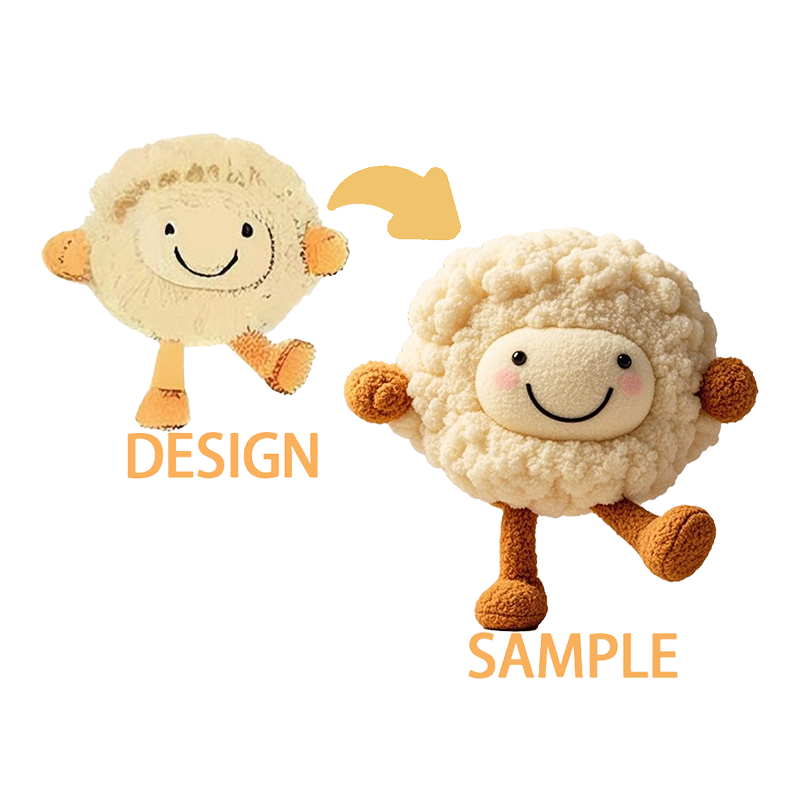
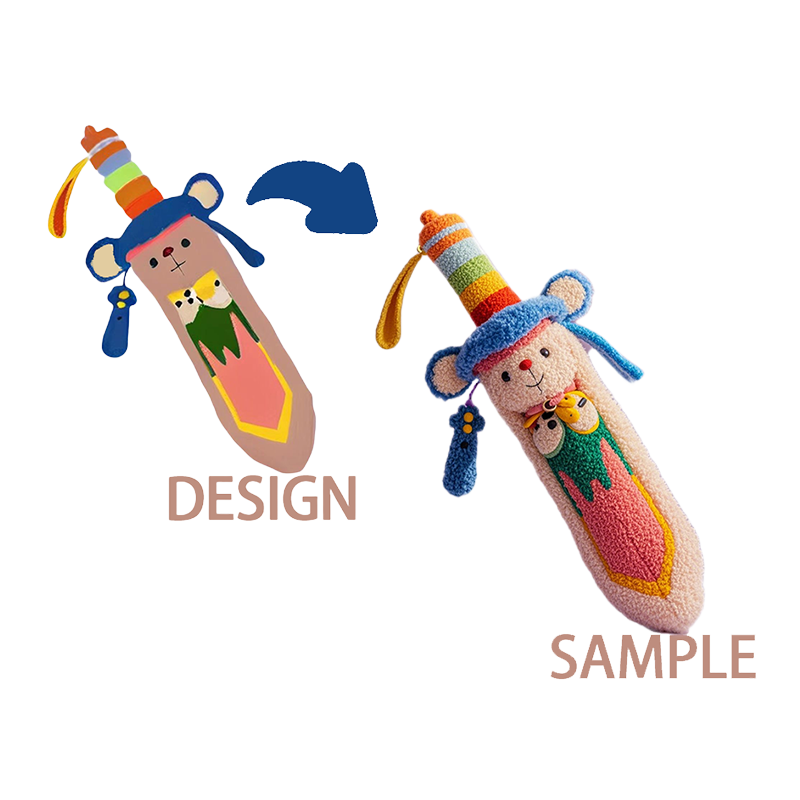
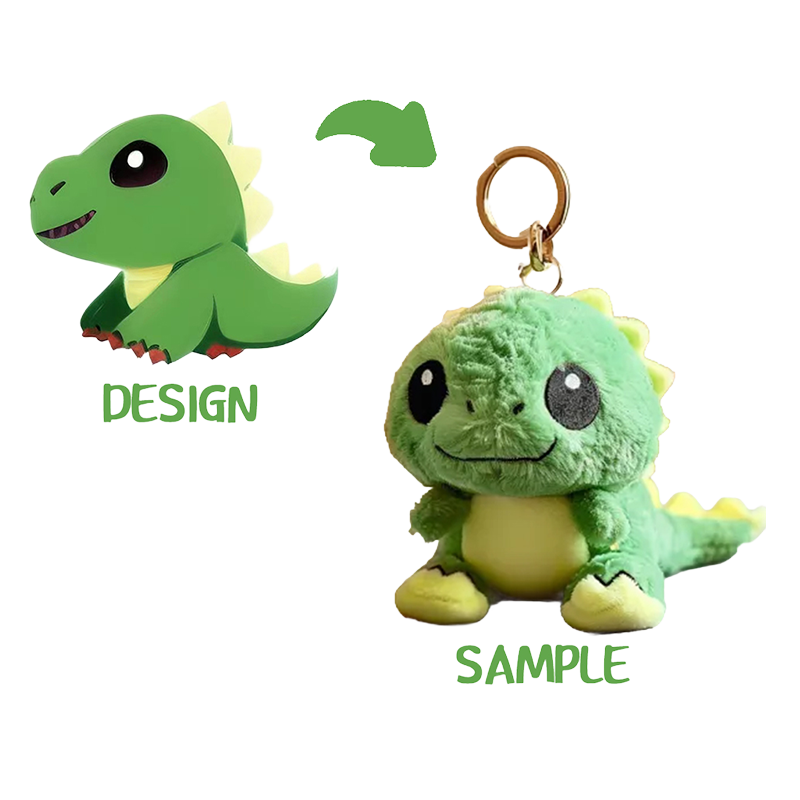
Kusibei is a professional custom plush toy manufacturer and custom plush toy supplier specializing in the design and production of high-quality plush toys for businesses worldwide. As a full-service custom plush toy factory in China, Kusibei operates comprehensive production lines covering every aspect of custom plush toy production — from initial concept and pattern development to material sourcing, sewing, stuffing, quality inspection, and export packaging.
With clients concentrated across more than ten countries including the USA, the UK, and Canada, Kusibei has established a track record for delivering bulk custom plush toys, private label plush toys, and custom plush toys with logo embroidery or screen printing to exacting specifications. As a dedicated OEM plush toy manufacturer and custom stuffed animal maker, the company supports projects from small custom plush toy wholesale orders to large-scale production runs, applying advanced assembly line management and comprehensive quality assurance policies throughout every stage of manufacturing.
Kusibei's commitment extends beyond production: the team works directly with clients to translate unique ideas into market-ready products, ensuring that every custom stuffed animal or branded plush toy meets the quality standards that drive market recognition and customer loyalty. Whether your project calls for a playful character toy, a mascot plush, or a premium promotional item, Kusibei provides the technical expertise and production capacity to bring your vision to life.
Frequently Asked Questions
Below are the questions most commonly asked by parents, collectors, and business buyers when researching plush toys — both cleaning and custom production topics.
Q1. How do you clean stuffed animals that cannot be washed?
Use the baking soda dry-clean method for surface dirt and odors, or a handheld steamer for bacteria and allergen removal. For mold, treat with a diluted tea tree oil solution applied by cloth. None of these methods require full water immersion.
Q2. What are custom plush toys?
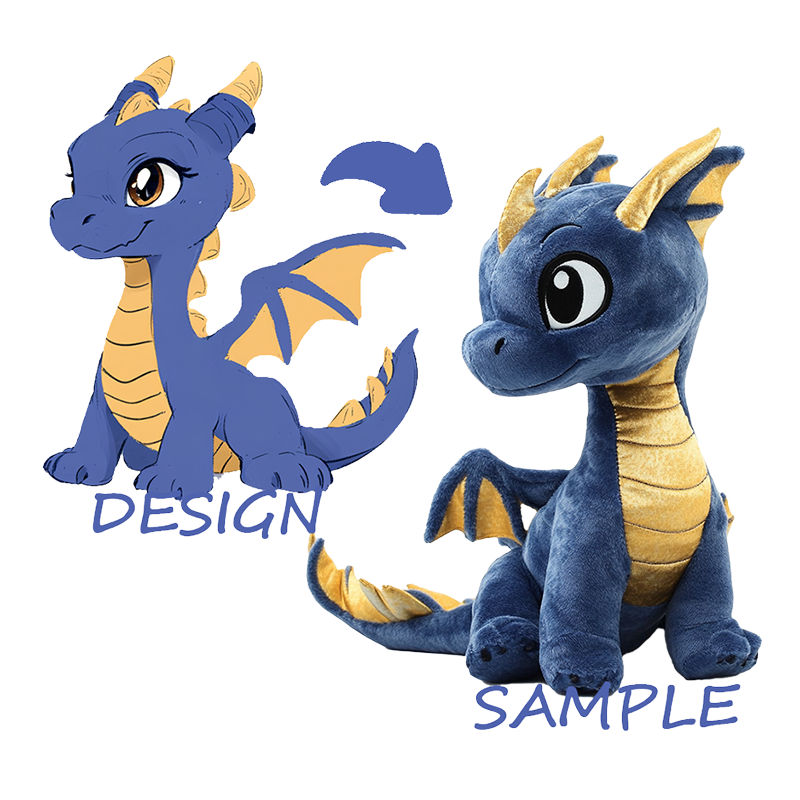
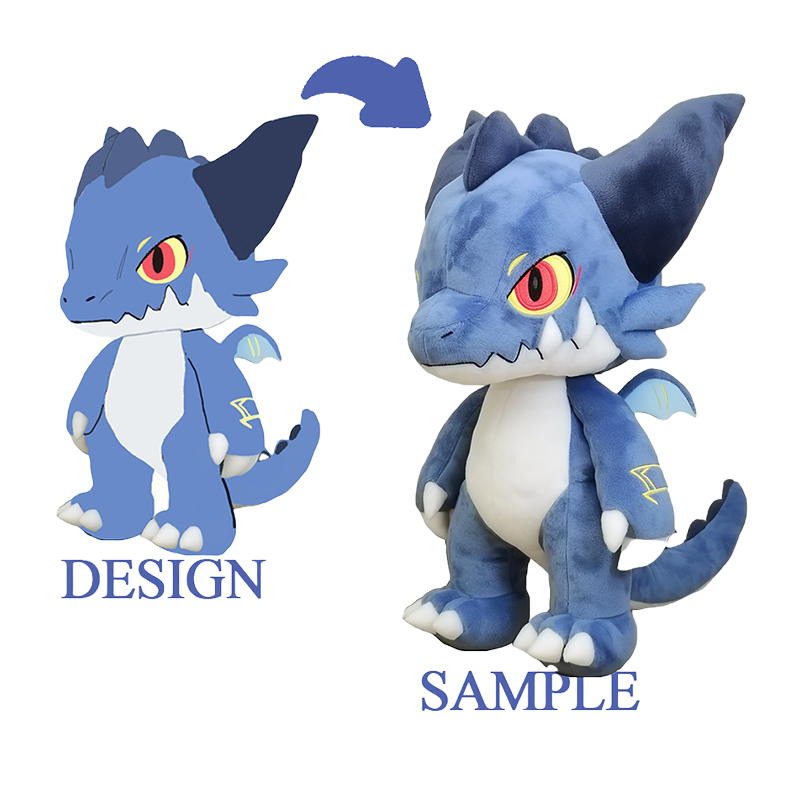
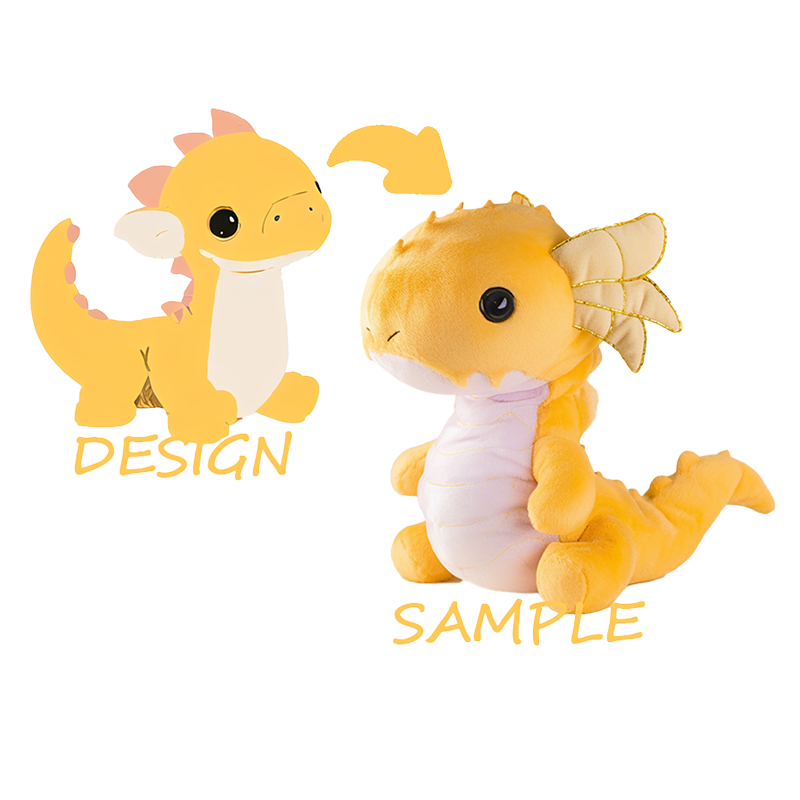
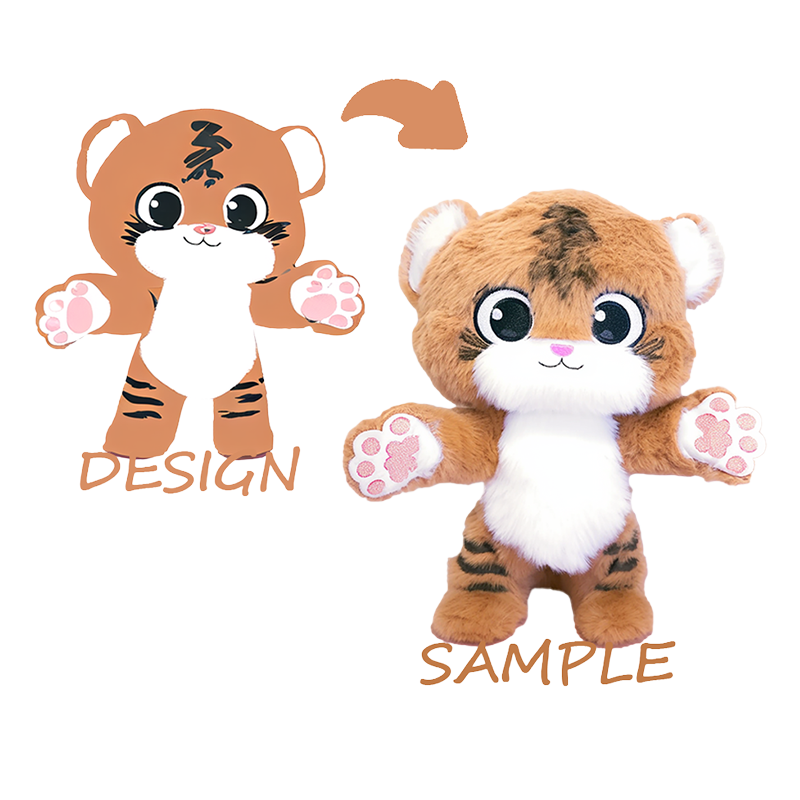
Custom plush toys are soft stuffed animals or character plush items manufactured to a client's specific design, including custom shape, color, branding, size, and material. They are widely used as promotional merchandise, retail products, and branded gifts produced by a custom plush toy manufacturer or factory.
Q3. How are custom plush toys made?
The process begins with design and pattern-making, followed by fabric cutting, sewing the outer shell, inserting fill material, closing seams, adding surface features (embroidery, labels, accessories), and quality inspection. OEM plush toy manufacturers handle each stage on purpose-built assembly lines.
Q4. What materials are used in plush toys?
The outer fabric is typically polyester velboa, minky, or microfiber plush. Fill material is most commonly virgin polyester fiberfill, though specialty items may use PP cotton, memory foam, or weighted pellets. Surface details are applied via embroidery, screen printing, or heat transfer.
Q5. How long does it take to make a custom plush toy?
From approved design to finished production samples, the typical lead time is 2–4 weeks. Mass production runs for bulk custom plush toys generally require an additional 4–8 weeks depending on order quantity and complexity of the design.
Q6. Are custom plush toys safe for children?
When produced by a reputable custom stuffed animal maker following safety standards such as ASTM F963 (USA) or EN 71 (Europe), custom plush toys are safe for children of appropriate ages. Always confirm that the manufacturer holds relevant safety certifications before ordering toys intended for children.
Q7. Can you put stuffed animals in the dryer?
Most modern polyester plush toys can be tumble-dried on the lowest heat or air-only setting for 10–15 minutes as a finishing step after air drying. Never use high heat, which causes fill clumping and fabric shrinkage. Vintage, wool-filled, or electronically enhanced toys should not be placed in a dryer at all.
Q8. What is the minimum order quantity for custom plush toys?
Minimum order quantities vary by manufacturer, but most custom plush toy wholesale suppliers set a minimum of 100–500 units per design. Some custom plush toy factories in China offer lower MOQs for simple designs. Contact a supplier directly with your specifications to receive an accurate MOQ and production timeline.
Suntem specializați în proiectarea și producția de jucării de pluș pentru a oferi clienților servicii unice personalizate